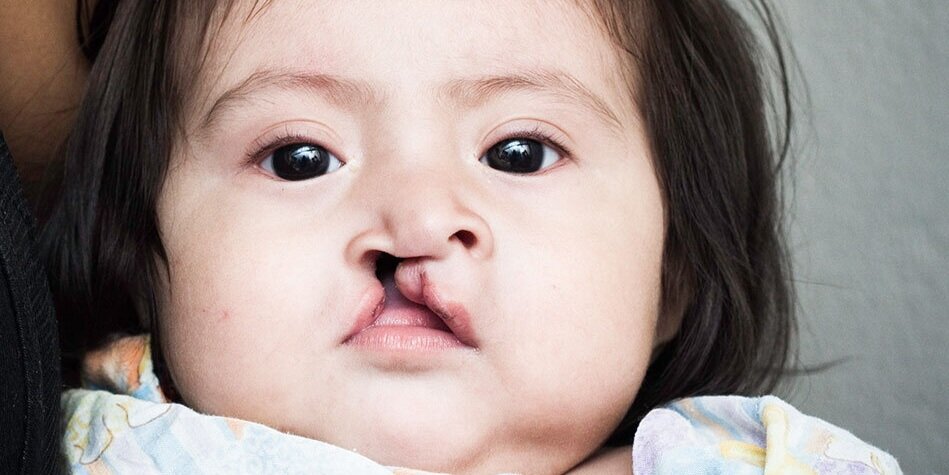
What is Cleft Lip?
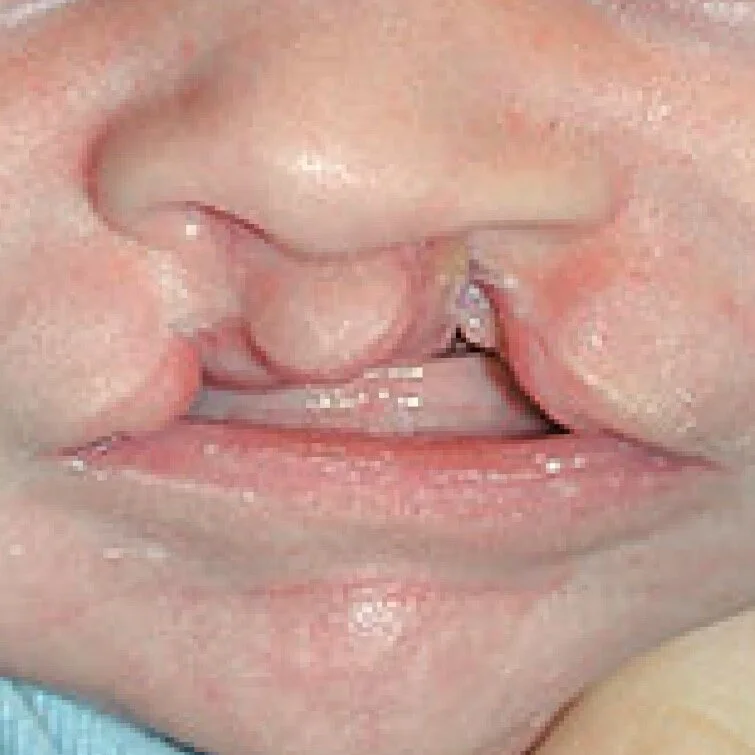
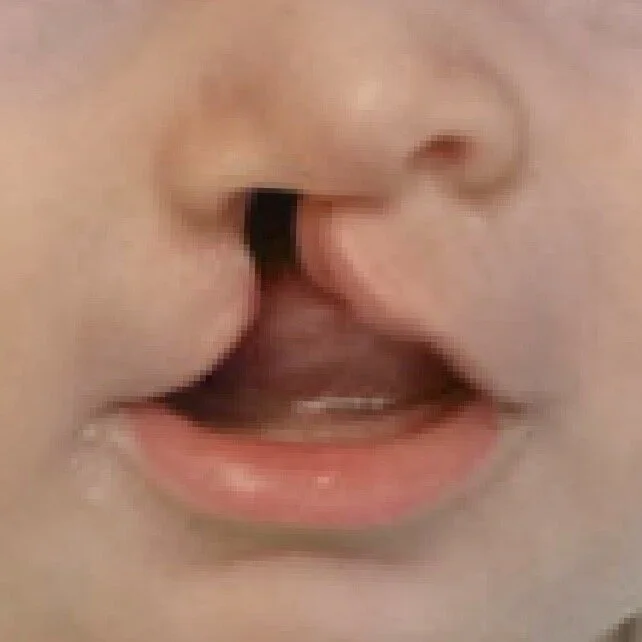
A cleft lip happens when the tissue forming the lip does not join completely before birth. The result is an opening in the upper lip.
Patients with cleft lip can vary:
in size, ranging from a small notch to a large opening that extends into the nose
Featured

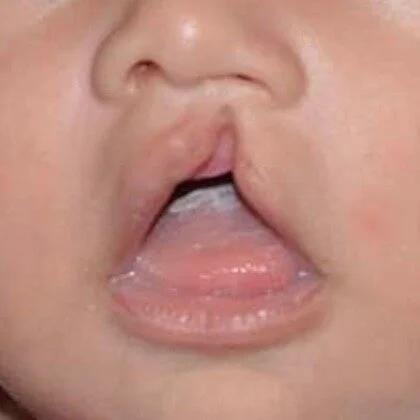
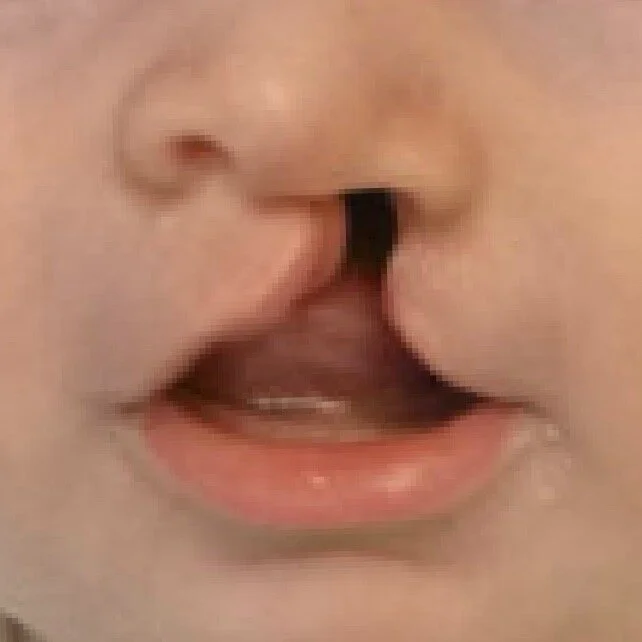
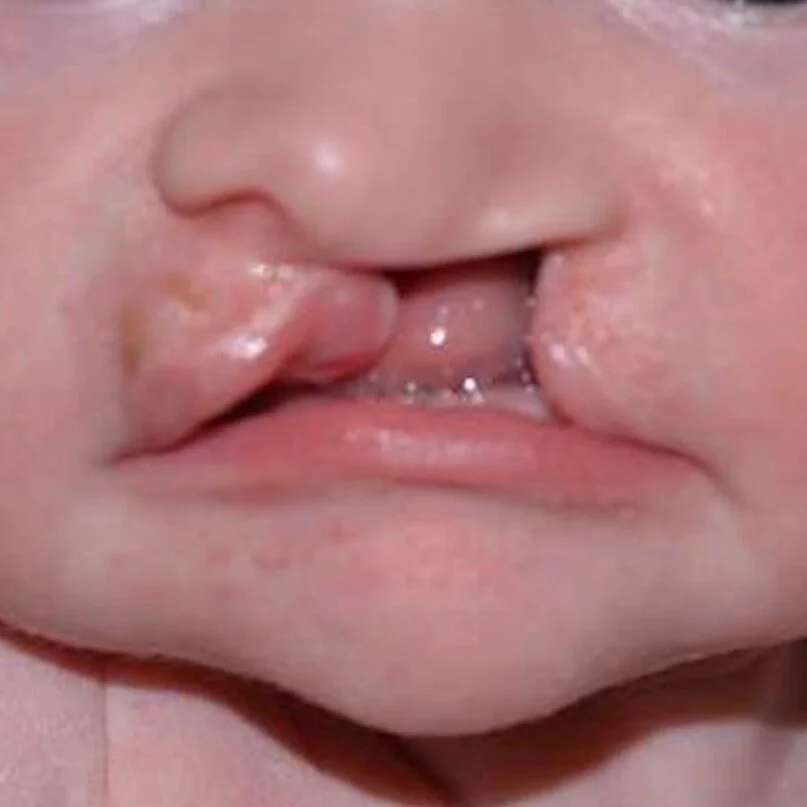
in location (also called laterality), appearing on one side (unilateral) or on both sides (bilateral)
Featured

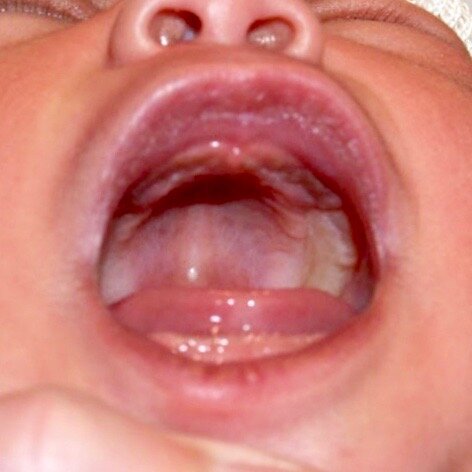
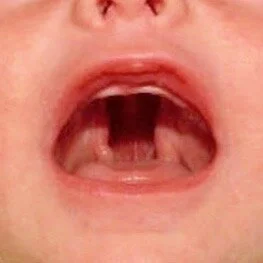
in the additional presence of a cleft palate, which is an opening in the roof of the mouth.
Quick Facts About Cleft Lip
Featured